All of Us is dedicated to disability history across time and space. It was established by the Disability History Association in 2019. We chose the blog’s title because disability is mainstream. Nearly everyone — All of Us — experiences impairment or disability at some time in their life.
Do you have something to share? Learn how you can contribute here.
-
Age, Disability, and Race in Boston’s Home for Aged Colored Women
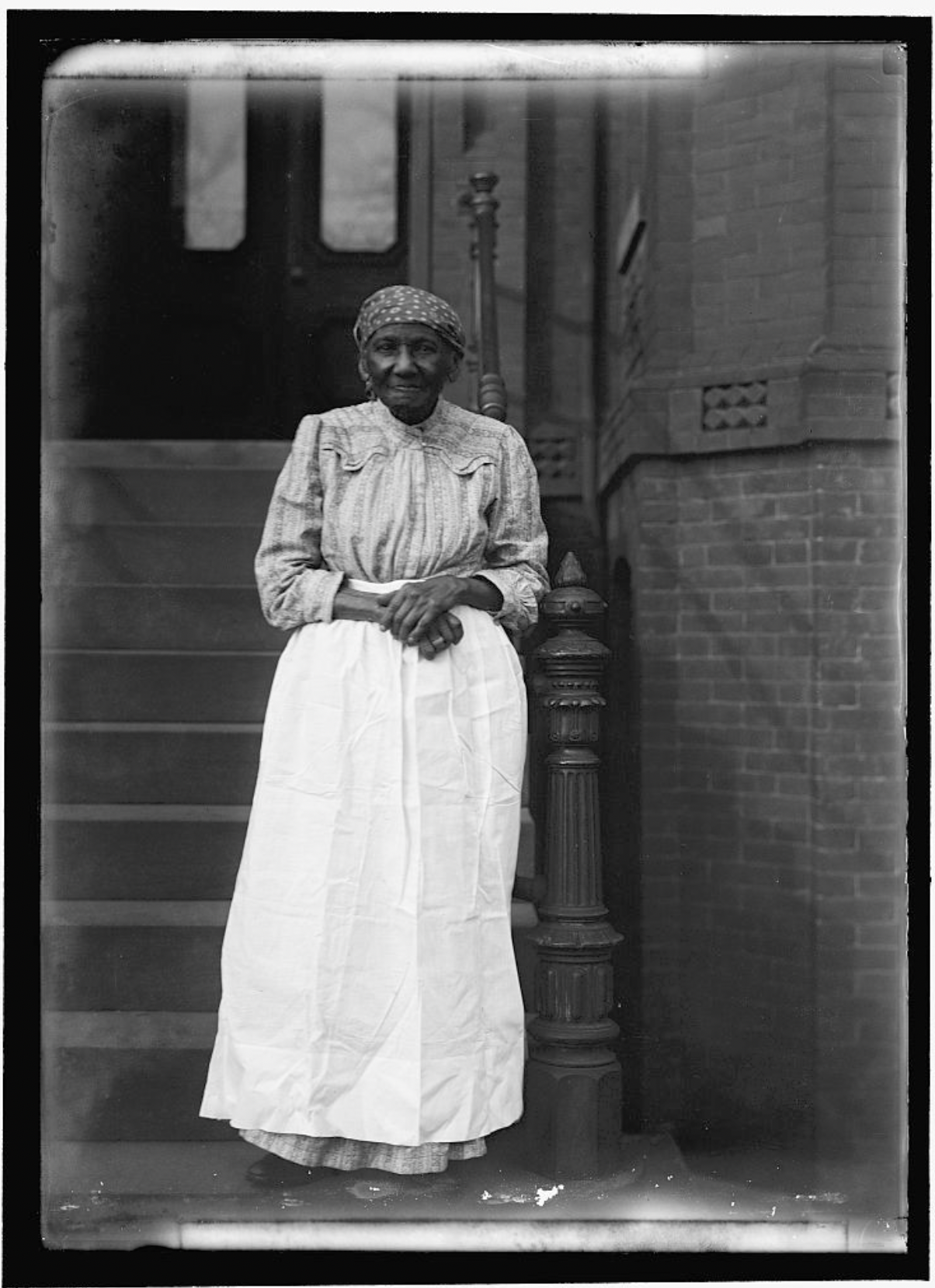
Although no images of Black women residents are extant, investigating census and public records may reveal more about their lives before their time in the Home. (Unidentified African American Woman, c. 1911-1917, Harris & Ewing photographer, Courtesy of the Library of Congress). Amelia Cubbins entered Boston’s Home for Aged Colored Women in 1860, its first…
-
Imagining “Deviance” as Disability in a Precolonial Igbo Village in Southern Nigeria: The Mgbowo Example
Introduction Over time, scholars of disabilities have focused on medical models and physical disfigurements as benchmarks for assessing disablement. Although physical impairments could lead to bodily damage, it was not the basis for determining disability in precolonial Mgbowo, one of the communities in northern Igboaland, Nigeria. The Mgbowo conceived disability as an act of deviation…
-
John Cunningham and the Struggle Against ‘Separate-But-Equal’ Colored-Blindness in Depression-Era New York City
“We White People Are Prejudiced” In June 1936, John J. Cunningham, a thirty-year-old blind Black man, attended a recreation night at the New York Association for the Blind (NYAB), also known as the “Lighthouse.” The event, held at NYAB’s Manhattan headquarters, left Cunningham deeply unsettled, as he discovered that he was in fact attending one…
-
“Physician, Heal Thyself”: Michael Wigglesworth, Puritan, Poet, and Physician
Michael Wigglesworth (1631-1705) is most famous today for writing a book that became a bestseller throughout the colonized eastern Atlantic seaboard: The Day of Doom: or a Poetical Description of the Great and Last Judgment. This forbidding title underscores his function as Malden, Massachusetts’ primary clergyman: keeping his congregation toeing the line of God’s holy…
-
Teaching Disability History: Lessons from Franklin & Marshall College’s Archives and Museum
with Jocelyn Chow, Maggie Connors, Emma Riggs, Liddy Schulz Imagine discovering history not just from the pages of a textbook but through the real, tangible traces left behind—a photograph, a newspaper clipping, an artifact from another time. This was the path my students and I took in spring 2023, as we explored U.S. disability history…
-
Between and Beyond Objects: Narrating Eugenics in a Museum Collection
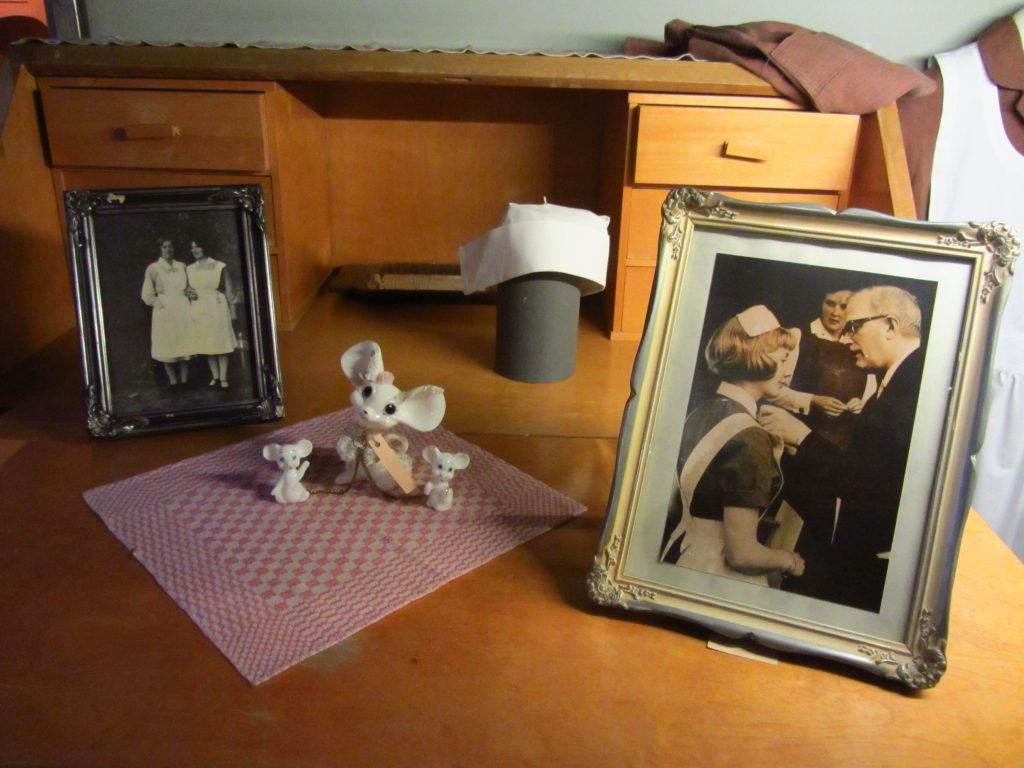
On the left, we can see a compilation of cozy furniture, little porcelain figurines, and photos of laughing nurses; on the right, a rusty bedstead beneath a picture of a sterile, monotonous dormitory. These artifacts, collected from Stretered, a former institution for persons with intellectual disabilities in western Sweden, are set up to irritate the…
-
The Language of “Disability” in the Premodern Archive
Just like the familiar triad of gender, class, and race, disability is historically constructed, and its meanings are situated in time and place. In seventeenth, eighteenth, and nineteenth-century America, disability was not a term commonly deployed outside of British American legal discourse. However, diverse peoples used a plethora of words, far more than we use…
-
Is Old Age Inextricable from Disability? A View From the Eighteenth Century and Today
“Everyone will become disabled if they’re lucky enough. Aging is a privilege. Far too few of us get the opportunity to live to be a ripe old age. And if you do get the opportunity, you will likely become disabled.” Maria Town, President and CEO of the American Association of People with Disabilities (Masters 2020)…
